 EN
 Polski (PL)
 Deutsch (DE)

Non-rebated or rebated doors? You’ll need to answer this question if you’re currently decorating your apartment. The choice depends on your personal taste, as well as the style you’re planning for your interior design. Find out which doors are right for you!
Non-rebated doors are an alternative to the so-called rebated version. The difference between them is that in a rebated model, there’s a visible notch on the side edge that meets the door frame. When closed, part of the door panel retracts into the door frame, while a portion protrudes and is visible as a slight ledge (this is the rebate). As you might guess, non-rebated doors do not have this projection, and when closed, the entire edge disappears into the door frame. This creates a seamless, single-plane effect. Non-rebated interior doors fit perfectly into interiors decorated in a modern and minimalist style. They contain no unnecessary, visible elements and are valued for their simple form and uncomplicated design.
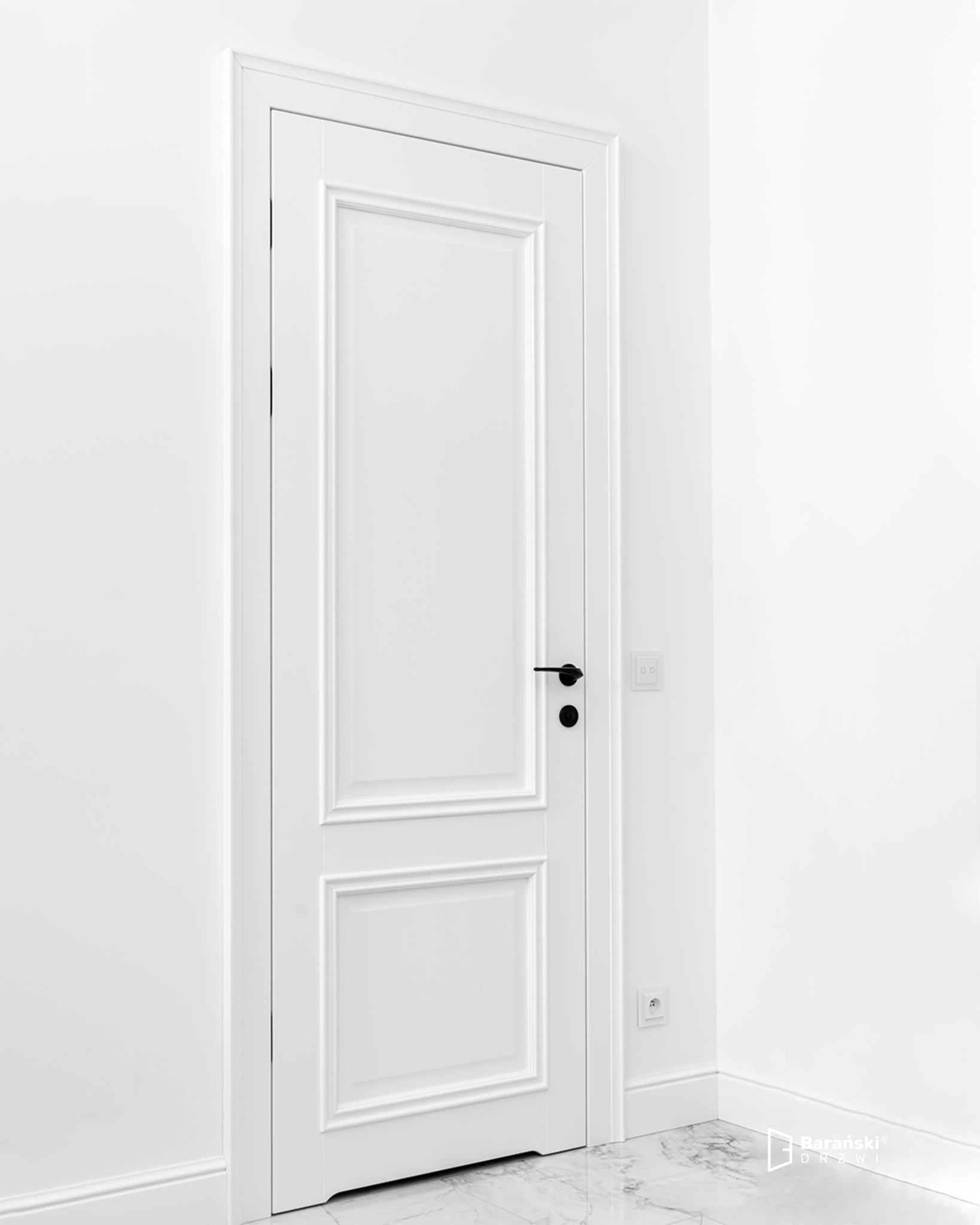
Construction of Non-Rebated Doors
Non-rebated interior doors are slightly less popular than rebated versions. They are used wherever rooms are typically kept closed. Non-rebated door panels have a distinctive straight side edge that retracts completely into the door frame when closed. These doors have no visible lock latch, as they utilize a completely different solution—a magnetic lock. When a non-rebated door is closed, the hinges are also invisible. This means it is a seamless design whose beauty is not marred by any unnecessary elements. The situation is different with rebated doors, where additional grooves, projections, the lock, or even the hinges can serve a decorative purpose.
Non-rebated doors—where do they work best?
When choosing door panels, you consider the overall decor of your home and focus on the finishing touches. You should use the same criteria when choosing between rebated and non-rebated doors. Where do non-rebated models work best? Primarily in spaces with a modern and minimalist design. However, this doesn’t mean you can’t use them in a home or apartment with a different style, such as Scandinavian or industrial. Keep in mind that these models appear much more substantial than traditional rebated doors, so they won’t suit every interior. At the same time, they help create the illusion of a larger floor area, which is why they’re recommended for installation in narrow hallways, for example.
Rebated and non-rebated doors—how do they differ?
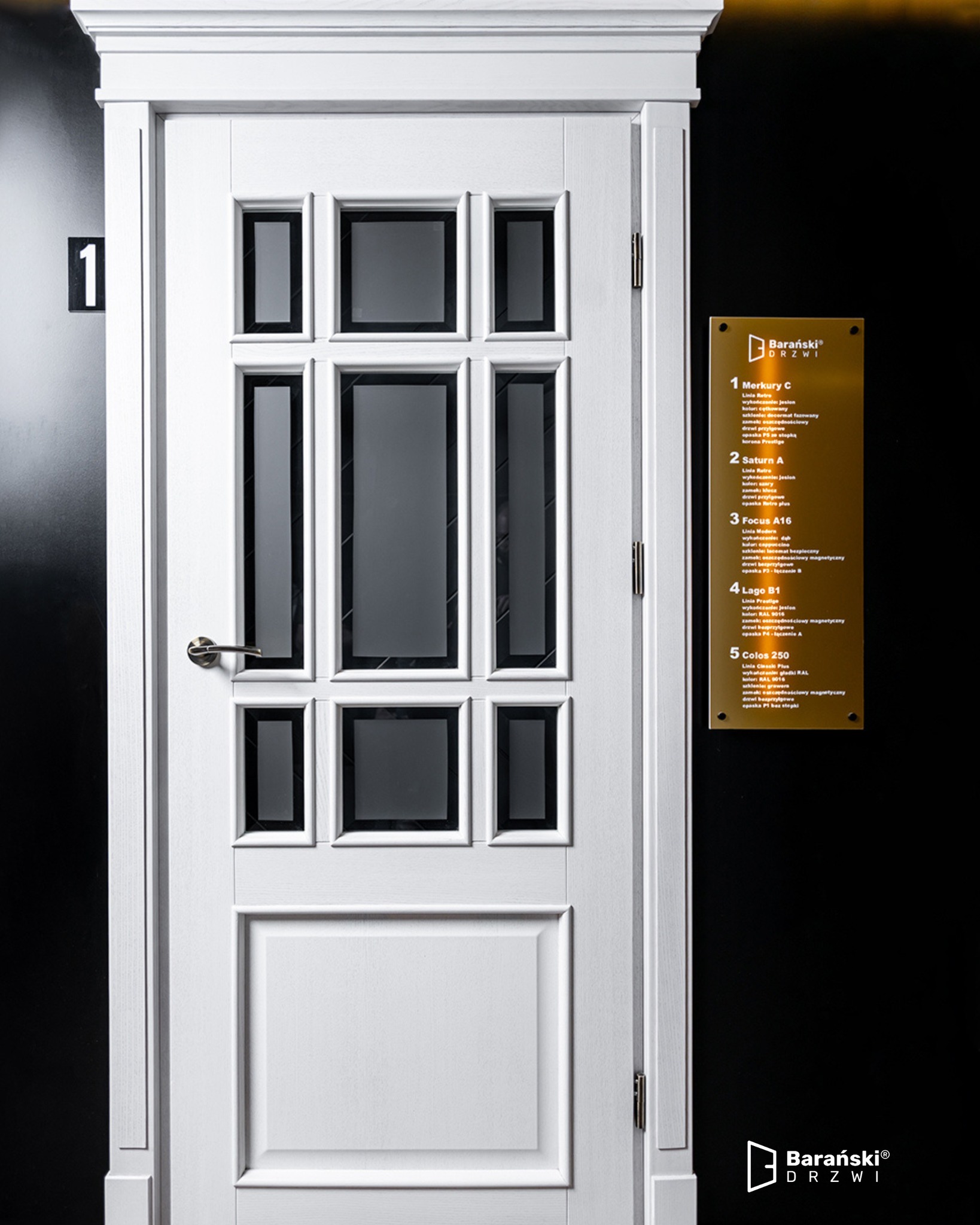
Before you decide on the best interior door model for you, find out what you need to know about the different types of door panels. The main difference between these types lies in the design of the panel’s side edge. Rebated doors have a distinctive protrusion visible when they are closed. They do not form a uniform surface with the door frame. When closed, the hinges remain visible. The distinguishing features of non-rebated doors are:
- a straight side edge, no rebate;
- a magnetic lock;
- concealed, invisible hinges and high-quality 3D hinges;
- a substantial, robust construction.
An interesting solution is the so-called “discreet door”—in this case, the door frame is recessed into the wall, causing the door leaf to form a seamless surface with the wall.
Advantages and disadvantages of individual door models
When choosing a door, you consider its quality, the material it’s made of, its color, width, and height, as well as how it integrates with the door frame and wall to form a cohesive whole. Of course, each model has its own pros and cons. In the case of doors that abut the door frame, the more complicated installation process and significantly higher price can be a problem. Door installation must be exceptionally precise, as too large a gap between the structural elements will prevent the desired effect from being achieved. The edge of the door must fit tightly against the door frame. These models are more expensive than traditional rebated doors. They are also still less popular and less frequently chosen by buyers. On the other hand, they allow you to arrange the living space in a very interesting way, aligning with modern interior design trends. The innovative hinge design allows the door leaf to be adjusted in three planes.
.jpg)
When should you choose rebated doors?
Most people still opt for traditional doors that partially overlap the door frame. It is among this type of door that you’ll find the widest selection of designs and colors. A major advantage is their simple installation and the ability to adjust the hinges whenever necessary (this is especially useful in newly occupied spaces). What’s more, these doors fit into almost any interior—they’re a versatile solution. The grooved edge of the door can serve as a decorative element, just like the lock or doorknob.
Who are rebateless doors for?
Non-rebated doors are more resistant to damage because they do not rub against the door frame. Families with small children often choose this type of door, as it significantly reduces the risk of pinched fingers. It’s also a good choice for narrow rooms, as it makes them appear larger. The doors can be color-matched to the walls, giving the space a uniform look. This will also make a room or hallway appear more spacious
Non-rebated doors in the Barański lineup
Barański offers a wide selection of modern doors with non-rebated door frames. Models from each line are crafted from the highest-quality materials with exceptional care and attention to every detail. Interesting and rich designs, handcrafted, artisanal finishes, and state-of-the-art solutions are the hallmarks of Barański products. A diverse range of wood colors and perfectly matched accessories ensure that the doors in our collection will complement any interior—whether modern, industrial, Scandinavian, or loft-style.
If you have your own concept and vision for the door’s design, you can count on our collaboration—your vision, combined with the manufacturer’s professionalism and craftsmanship, will bring a true masterpiece into your home.