 EN
 PL (PL)

Exterior doors for apartment buildings should provide quiet, peace, and security. Design and an attractive finish—which influence the style of the interior—are also very important. Find out what the most important features of interior stairwell doors are!

Functional, elegant, and easy to use—these are the qualities most often sought by developers and individual customers. High-quality exterior doors for apartment buildings guarantee a high level of comfort and will last for many years. However, the door panel alone isn’t everything. Well-fitted door frames, weatherstripping, and proper installation are equally important. Stairwell doors leading to individual units and the selection of apartment building entrance doors (or double-leaf systems for older tenement buildings) are completely different matters. Today, we’ll focus on the first of these issues.
Good exterior doors for an apartment in a high-rise building—key features
Every square meter of usable space is priceless. That is why outward-opening doors predominate in residential construction. Building code requirements are also important. Currently, exterior apartment building doors with a width of 90 cm or more are the standard. In the past, 80-cm-wide door openings were the norm; however, replacing a door in an older building does not necessarily require widening the door frame opening. The following factors are also quite important:
- the length of the warranty;
- the reputation of the manufacturer of exterior apartment building doors;
- accessories (door handles, locks, thresholds, hinge covers, etc.);
- the materials used to construct the door panel (steel or wooden doors).
Good interior apartment building doors must meet a number of criteria to function properly.
Choosing exterior doors for an apartment building. What should you consider?
In addition to appearance, price, and included accessories, pay close attention to the technical specifications. When selecting exterior doors for an apartment building, compare the following elements in the specifications:
- sound insulation level;
- thermal transmittance coefficient;
- burglary resistance class;
- fire safety certifications.

Interior Hallway Doors – Sound Insulation
They effectively block out external noise while also muffling sounds from inside the apartment, ensuring no one can eavesdrop in the hallway. Sturdy exterior apartment building doors with wooden door frames reduce noise by approximately 34 decibels. Additional door insulation provides even better soundproofing. What materials are used specifically? The following materials, among others, are used in the production of doors with soundproof insulation:
- particleboard;
- HDF panels;
- laminated panels;
- aluminum sheet.
>>See also: Replacing doors in an apartment building. Installing an entry door with a door frame.
Types of entry doors – specifications and thermal insulation
Heat loss is most often caused by mistakes made during door installation, such as a door leaf that doesn’t fit snugly against the frame or poorly adhered weatherstripping. Virtually every entry door should include them as standard. What about the thermal insulation class of the materials? It is denoted by the symbol U, in the unit W/m²K—the lower the value, the less heat is lost through the door into the home. Values between 2.0 and 1.0 W/m²K are considered very good for thermal performance.
>>See also: Energy-efficient exterior doors. How to choose doors that will help reduce heat loss?

Burglar-resistant doors—burglary resistance levels
Modern wooden or steel doors must withstand the attempts of burglars. How can you recognize a good burglar-resistant door? The RC (Resistance Class) rating is used here. This classification system indicates how long it takes to open a door using specific tools during a break-in attempt. Certified institutions assign the tested doors one of the following classes:
- RC1 N (cannot be damaged without tools);
- RC2 N (3 minutes, simple tools);
- RC2 (as above, but with more durable glass);
- RC3 (5 minutes, simple tools);
- RC4 (10 minutes, advanced tools and break-in techniques);
- RC5 (15 minutes, specialized tools and electronic equipment);
- RC6 (20 minutes; advanced power tools).
Which one is best suited for an apartment building? For exterior doors, they should fall within the RC2–RC4 classes. Doors with RC5 and RC6 ratings are primarily intended for banks, server rooms, and other restricted-access areas.
>>See also: Not Just White—Gray, Blue, and Green Entry Doors
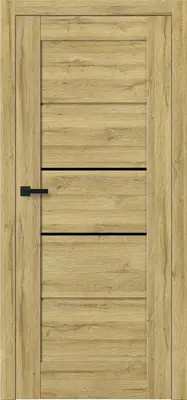
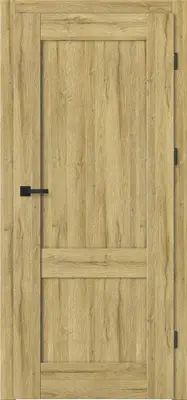
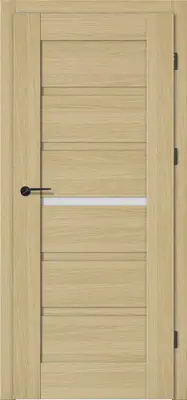
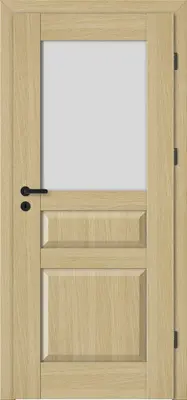
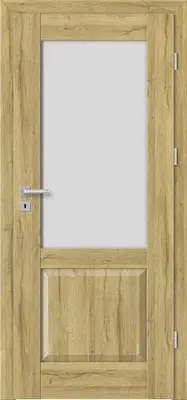
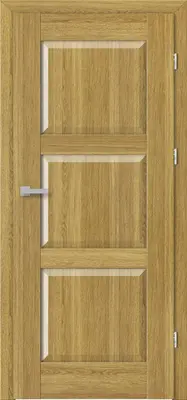
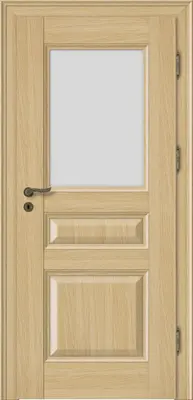
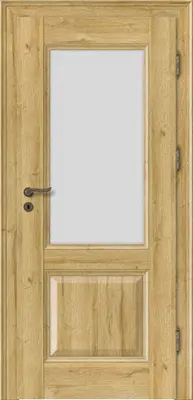
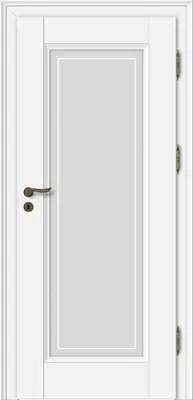
Exterior door models for apartment buildings from the Barański Smart series
These are elegant, wooden doors that stand out for their excellent craftsmanship. Every exterior door for apartment buildings in our catalog comes standard with 34 dB sound insulation, two lock cylinders, and a reliable door handle. In addition, these doors feature a fixed door frame, an aluminum threshold with a seal, a peephole, and hinge covers. All models come with a 2-year warranty. Would you like to increase the security of your entry door or improve its insulation? You can also choose:
- an anti-burglary package, including anti-pry bolts and adjustable hinges (RC2);
- sound insulation up to 44 dB;
- a fire-rated construction of class EI 30 or EI 60;
- strip locks with a bolt;
- door hardware;
- thresholds;
- trim strips and panels.
We also offer a wide variety of finishes, allowing you to customize the appearance of your entry door to suit your individual preferences. You’ll learn the price of the door once a complete specification has been prepared.
Buying exterior doors for an apartment building or your own home is a big decision. The same goes for their installation. Before placing an order, be sure to explore all available options thoroughly. The Barański Smart catalog features four lines of Polish exterior doors for apartment buildings—Modern, Inox, Classic, and Retro. With such a wide selection, you’re sure to find exactly what you need! Choose higher-quality exterior doors for your apartment building!