 EN
 PL (PL)

Not sure what makes reverse-rebated doors special? Check out our article and learn how they work. We’ll also give you tips on when to use them!
Finishing a home can be a hassle. It turns out that even the seemingly simple choice of a door can become a difficult task. So it’s worth learning how to design a functional and cozy home. One solution is to install reverse-rebated doors.

Reverse-rebated doors—what does that mean?
Wondering what reverse-rebated doors are? To start with, they’re also called reverse-hinged doors. Their defining feature is that the door leaf has a special trim, allowing the door to open inward toward the door frame. So, it can be said that these doors are manufactured using sophisticated technology, offering an unlimited number of interior design possibilities while meeting the needs of household members, such as comfort or more space. Everyone can decide for themselves which way the door should open.
Reversible doors—how do they work?
How exactly do reversible doors work? This system is used for doors located on the same wall but leading to different rooms—or to a room and a bathroom—where one door opens inward and the other opens outward. When using reversible doors, they will appear to open outward, but in reality, they will open inward toward the room. When closed, the doors will form a flush surface and look identical, creating a cohesive hallway design.

In what kind of interior do reverse-opening doors work best?
Reversible doors are the best solution for small apartments. Hallways in such apartments are usually small and narrow. Often, the doors to the rooms are located right next to the front door, which can cause discomfort for the residents. In such cases, using reverse-hinged doors will allow them to move freely around the apartment, as they can adjust the direction in which the doors open to suit their needs.
>>See also: Rebated doors—what do they look like?
Interior doors with reverse rebates—what are the advantages?
There’s no doubt that the biggest advantage of using reverse-rebated doors is the increased functionality of the home. Residents gain more space and avoid uncomfortable situations where they bump into the door panels. Another benefit is an aesthetic, cohesive look. This solution allows you to maintain a uniform appearance for all doors. Identical door panels contribute to the home’s design, which in turn enhances residents’ well-being. Spending time in a cozy interior allows you to rest effectively and even relax.

Concealed or Visible Hinges—The Difference Between Rebated and Non-Rebated Doors
The main difference between rebated and non-rebated doors is the hinges. In rebated doors, the hinges are visible—they serve both a decorative and mechanical purpose. In non-rebated doors, however, the hinges are usually hidden. However, many people opt for hingeless door panels because they look more aesthetically pleasing. These types of doors also differ in terms of door panel installation and hinge adjustment. With rebated doors, both of these tasks are easier. For non-rebated doors, it’s advisable to hire professionals, as their installation requires precision and is time-consuming.
Reverse-rebated doors in the Barański Drzwi lineup
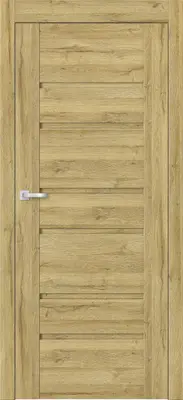
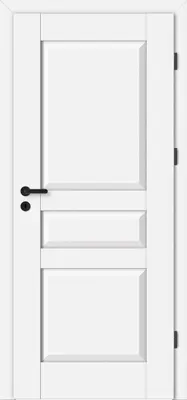
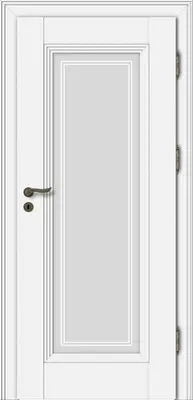
If you’re decorating your apartment and need help purchasing doors, turn to the experts at Barański Drzwi. When you make a purchase from them, you can choose from various door frame options, including an adjustable rebated frame or a non-rebated frame. Their lineup features a wide variety of attractive door models, including the Prestige C.1 from the Prestige Line, which impresses with its classic design. You’ll also surely be drawn to the Classic A.2 model from the Classic Line, with its aesthetic composition, and the Grande B.0 model from the Grande Line, characterized by its modern styling.
Reverse-rebated doors will not only enhance the functionality of your home but also make you feel comfortable and at ease there. If you have trouble choosing the right ones, contact our specialists, who will explain everything in detail and help you make the right purchase.