 EN
 PL (PL)

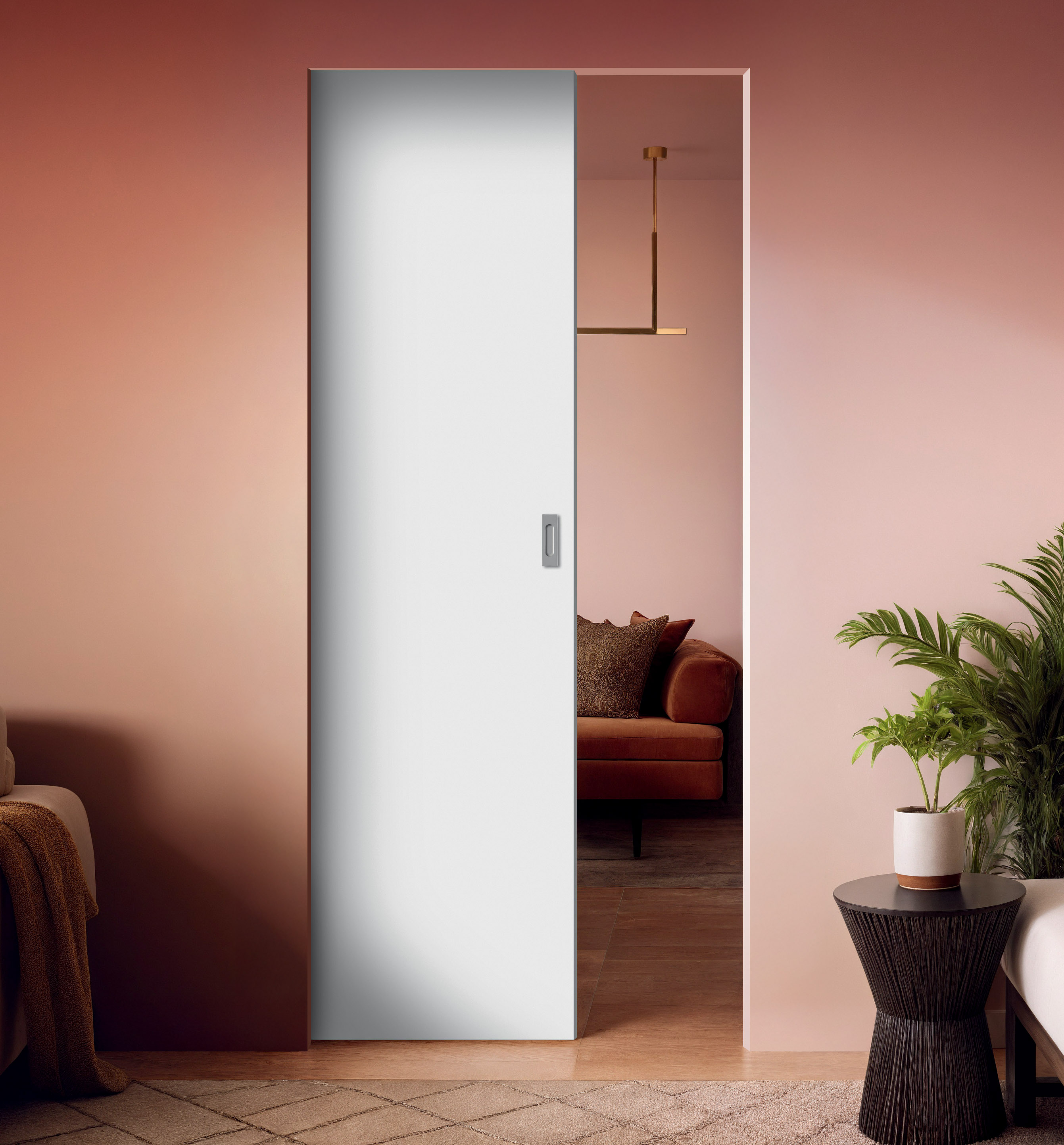
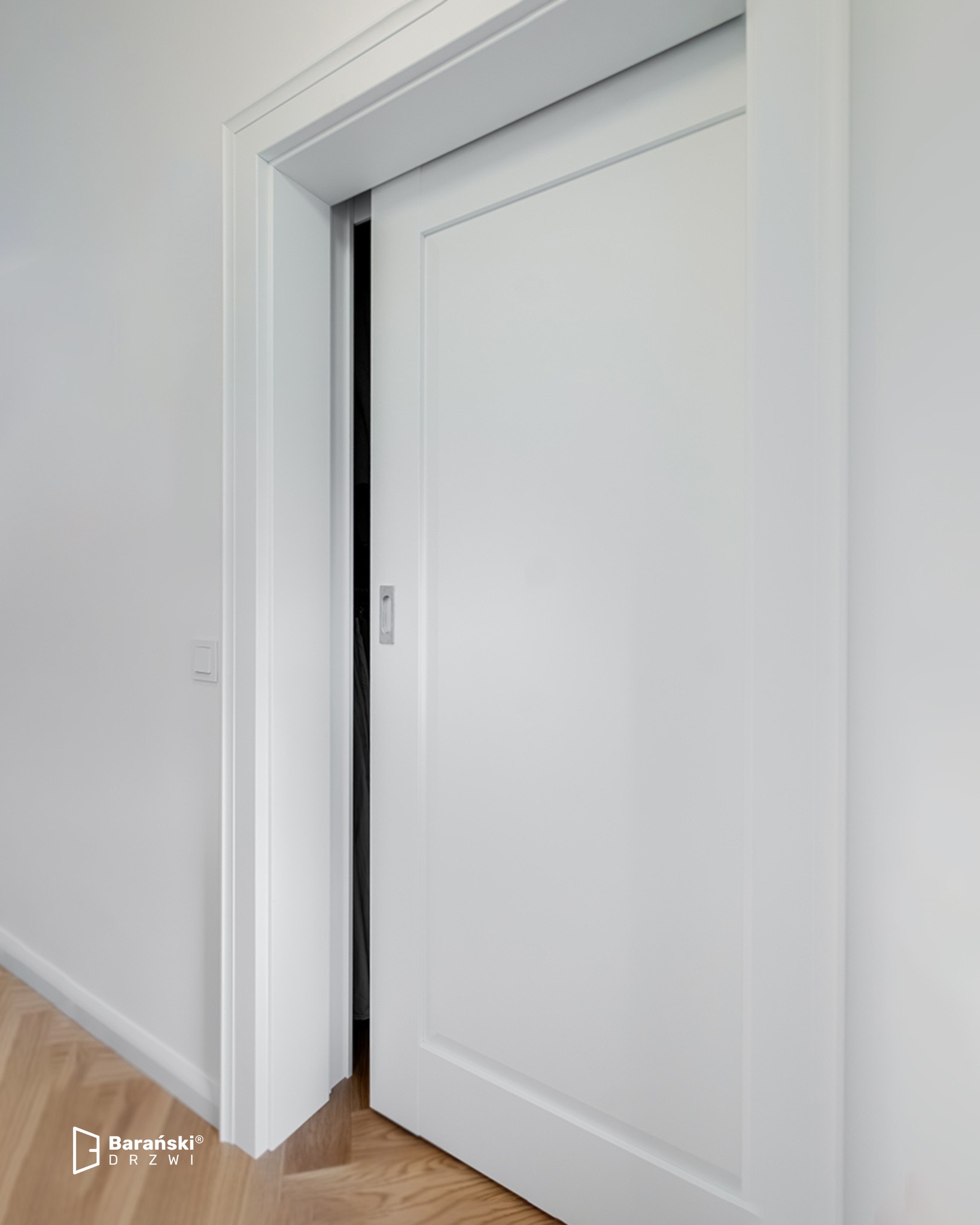
Sliding doors that disappear into the wall aren’t a new concept in the interior design market, but they’ve become particularly popular in recent years. They used to be chosen only for narrow or small rooms, but today you can find them almost everywhere. Why?
The primary use for sliding doors is, of course, in interiors where space is truly limited. A traditional door requires space and practically prevents the functional use of the area behind it. In more spacious rooms, this problem doesn’t exist, but the right sliding doors can still enhance the decor or make the room appear larger. Another important factor is that this solution makes the room appear larger. Here are some tips on how to choose the right in-wall sliding doors and what to pay special attention to when shopping!
Advantages of Sliding Doors
- Functionality – these doors aren’t just more convenient to use than traditional door systems with door frames; they also blend much better with bright and open interior designs.
- Greater installation flexibility – you must plan for doors that slide into the wall as early as the stage of erecting a drywall or brick wall. Concealing the systems that operate the tracks requires specific and extensive modifications. If you decide to replace interior doors—for example, during a renovation—a sliding door that retracts into the wall can be a problematic choice. Fortunately, you also have the option of surface-mounted doors, which you can install at literally any stage of construction. All you need to do is choose the right system and a door that fits the door opening.
- Using them as a partition wall is a great choice when you want to divide rooms but want the flexibility to choose whether the space should be open or closed at any given moment. This solution is ideal for open kitchens or work areas when, for whatever reason, you want to maintain privacy or shield household members from odors or noise.
- Safety—these doors aren’t prone to slamming or drafts. You can also choose models with a soft-close mechanism or a so-called silent lock if you want to ensure comfort for yourself and your household members.
>>See also: Sliding doors for the kitchen. Installing sliding doors
Disadvantages of sliding doors
- Poor sound insulation – unfortunately, sliding doors that retract into the wall are mounted on tracks that aren’t as airtight as a traditional door frame. This means they aren’t a good choice for a room you want to isolate as much as possible from outside noise.
- Problems resulting from improper installation – the way sliding door systems operate means that improper installation can lead to malfunctioning of the entire structure. As a result, sooner or later, using such doors will become difficult or even impossible. Have a specialist install your sliding doors; they’ll ensure that everything is done properly.
Examples of applications for in-wall and wall-mounted sliding doors
Walk-in Closet
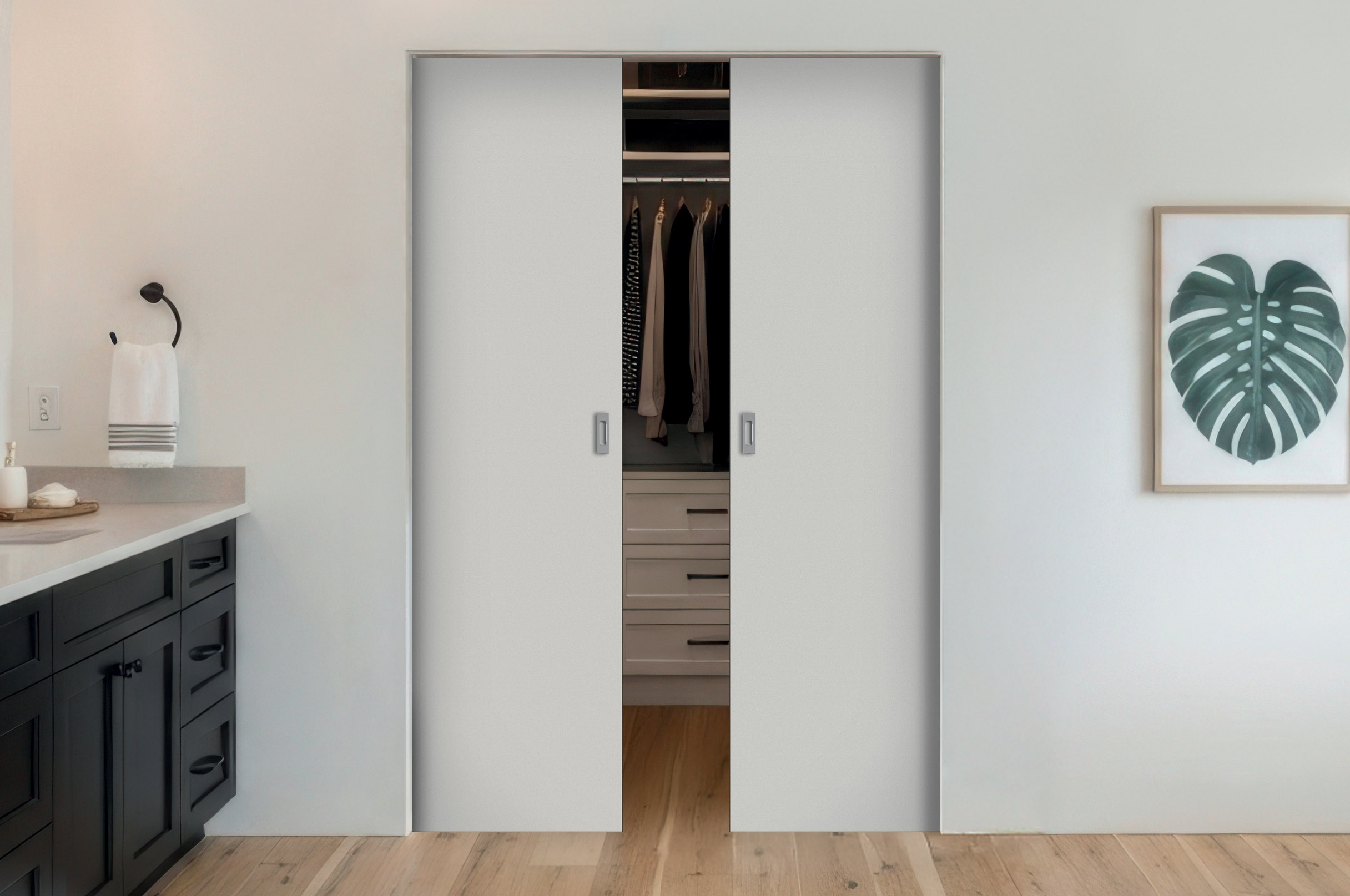
If you have or are planning a walk-in closet in your bedroom, you know full well that arranging the space properly is no easy task. You have to balance the amount of space in the room with its functionality—with standard doors, not only do you need to set aside space to allow them to open, but you also have to deal with inconveniences such as a blocked passageway. It’s no wonder that doors concealed within the wall are almost always used here.
This solution is, above all, convenient—the open door leaf doesn’t require additional space, unlike traditional doors. Keep in mind, however, that you’ll need a wall of sufficient length for this. Also note that if the door system is to be concealed within the wall, you must choose this solution as early as the wardrobe planning stage. Otherwise, if the partition walls are already in place, your only option will be wall-mounted sliding doors.
Modern Interior Design
If you’re planning to create a minimalist interior, the right in-wall sliding doors will be a great solution! Not only do you eliminate the aesthetically distracting door frame, but you also get rid of the threshold and can choose doors with a truly simple, even flat profile. This solution will beautifully highlight the character of the room—without compromising its functionality or reducing the amount of usable space.
Narrow Passages and Rooms
A storage closet, pantry, or hallway—these are places where space is very limited or where we want to make the most of it. Installing sliding doors, if possible, will not only significantly improve the room’s functionality (which is particularly important in hallways) but also increase the amount of available space. It’s also worth noting that this will, for example, eliminate the problem of doors jamming if two sets of doors are positioned perpendicular to each other and close together.
Homes for People with Disabilities
People who use wheelchairs or even walk with crutches know all too well what a problem traditionally hinged doors can be. For wheelchair users, door frames also pose a major problem, as they prevent unimpeded passage. Installing sliding doors in the wall eliminates this issue—the absence of a door threshold allows for unimpeded movement in a wheelchair throughout the house or apartment.
What should you look for when choosing sliding doors?
- Finish—in this regard, sliding doors aren’t much different from regular ones. If you want to install sliding doors, for example, in the kitchen, where steam will be present while cooking, choose ones that are moisture-resistant.
- Location – consider exactly what you expect from the door. If you need good sound insulation or to keep moisture inside the room, sliding systems may not be the best choice here. In a bathroom, moisture can be destructive to a sliding system, and if you choose a wall-mounted model, moisture or water will almost certainly seep outside the room. Very few door models suit every interior.
- Dimensions—they’re important not only for ensuring the door panel fits the doorway but also for allowing enough space to install the track system.
- Sliding door system—this determines how the door will operate. You can choose from options such as rollers, sliding carriages, or tracks.
- Wall construction – if you’re not sure whether it’s possible to install a sliding door on your wall, consult a professional for advice. The wall must be strong enough to support the weight of the door and the track system.
Sliding doors built into the wall are a modern solution that’s ideal for spacious layouts, but also for rooms where space is limited.
Sliding doors built into the wall from Barański Drzwi—a modern and functional solution
Barański Drzwi offers a full range of sliding door systems. We offer both in-wall and surface-mounted mechanisms. In addition, you can choose from single- and double-panel models. This variety of options will allow you to select the solution that best suits your room. Explore our selection and see if the door panel you’ve chosen can be used as a sliding door!