 EN
 PL (PL)

Replacing Your Front Door with a New One. Learn how and when to replace your old door
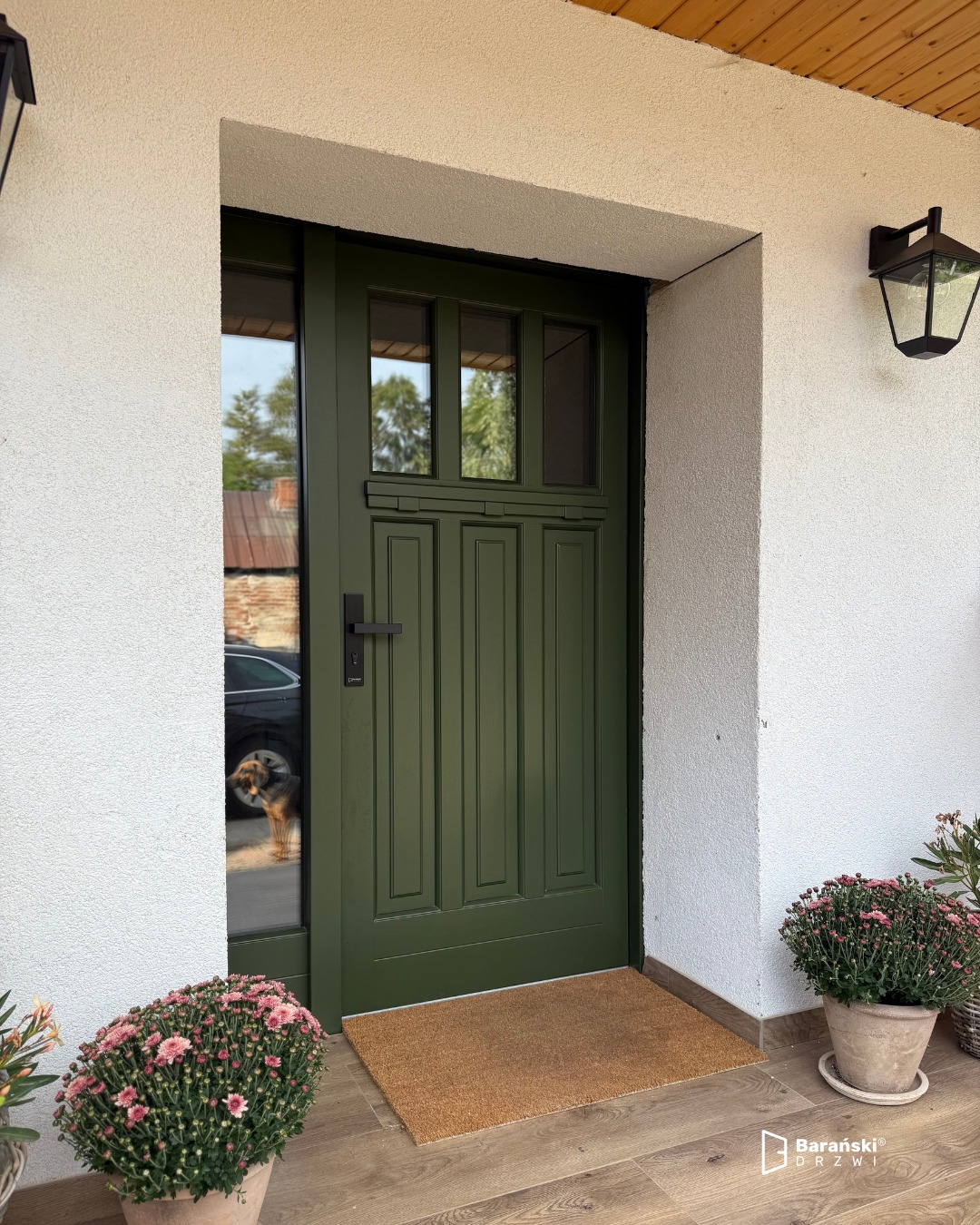
Exterior doors wear out much faster than interior ones—they’re exposed to the weather, precipitation, and other factors that can cause them to deteriorate quickly. When should you replace your front door, and how do you go about it?
You should replace your front door during a major renovation or before the upcoming winter. Remember that being dissatisfied with its appearance is one thing—exterior doors also serve a very important function as a barrier against noise and outdoor temperatures. Thermal insulation is a factor you should pay special attention to if you live in a single-family home—properly selected, modern doors can significantly reduce your heating bills. How and when should you replace your old front door? We’ve got the answers!
Is it necessary to replace entry doors in older buildings?
Building codes change every few years—designers of modern buildings now face much higher requirements than they did just a dozen or so years ago. If you’ve had your front door for a long time, it almost certainly doesn’t meet even the standards from just a few years ago. This results in it not functioning properly.
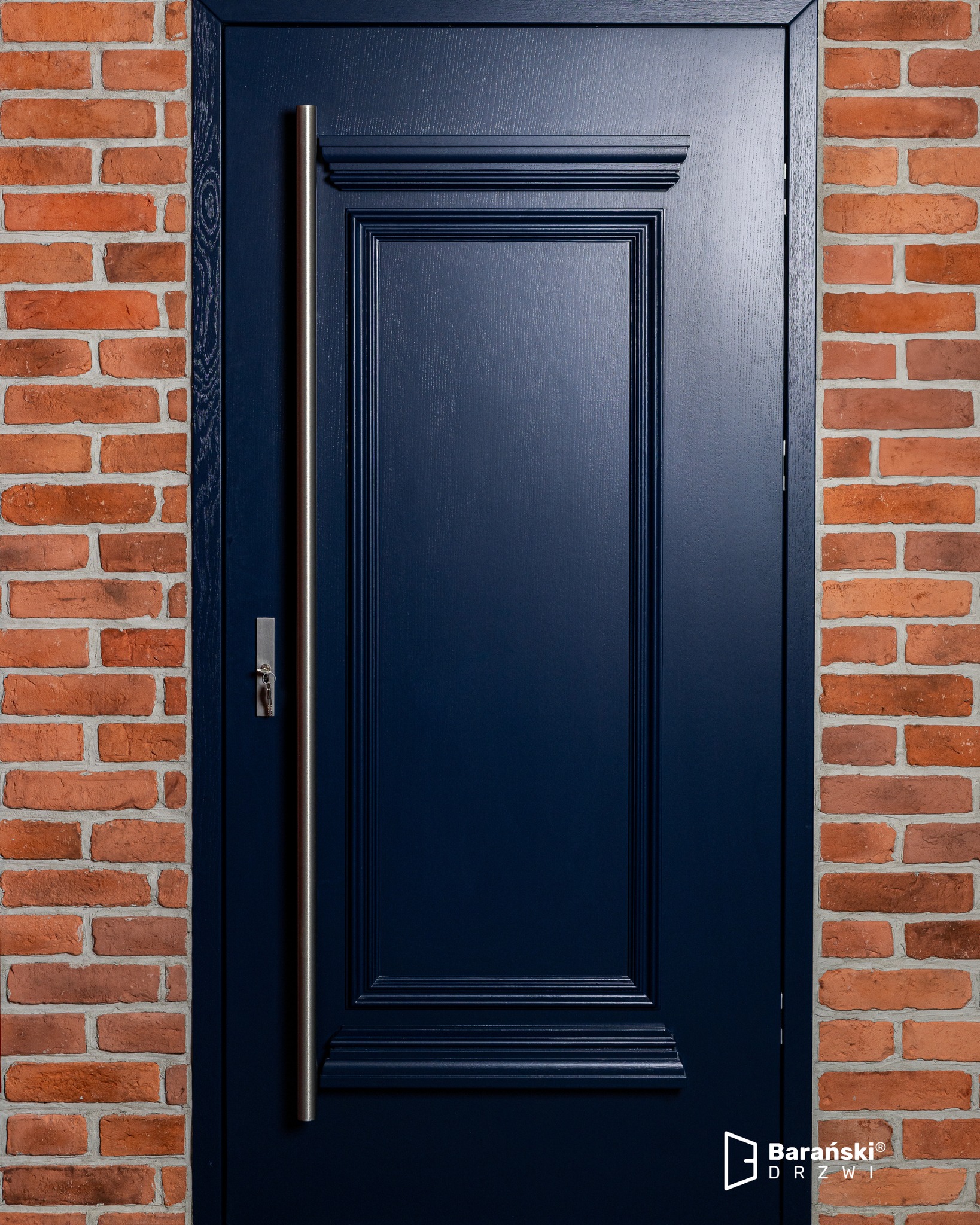
Important specifications for entry doors
Although price is obviously one of the most important factors you consider when choosing a new door, you should also pay attention to two key parameters:
- sound insulation;
- thermal insulation.
And don’t forget that the door should be burglar-resistant!
Sound insulation of exterior doors
Sound insulation (including for interior doors) is measured by the Rw rating and expressed in decibels (dB). The higher the Rw rating, the better. It indicates by how many decibels the noise coming from outside will be reduced. For example, a sound with an intensity of 70 dB passing through an entry door with an Rw value of 40 will have an intensity of 30 dB after passing through the door.
Thermal Insulation of Exterior Doors
The thermal insulation parameter is Ud and is expressed in W/(m²K). The lower the value, the better—as of January 2021, the required value for doors in exterior walls is 1.3 W. As recently as 2014, the maximum Ud value was as high as 2.6 W/(m²K). The older the door, the greater the heat loss, which directly affects your heating bills. If you want to make your home more airtight, installing doors with sufficiently low thermal insulation is a very good idea.
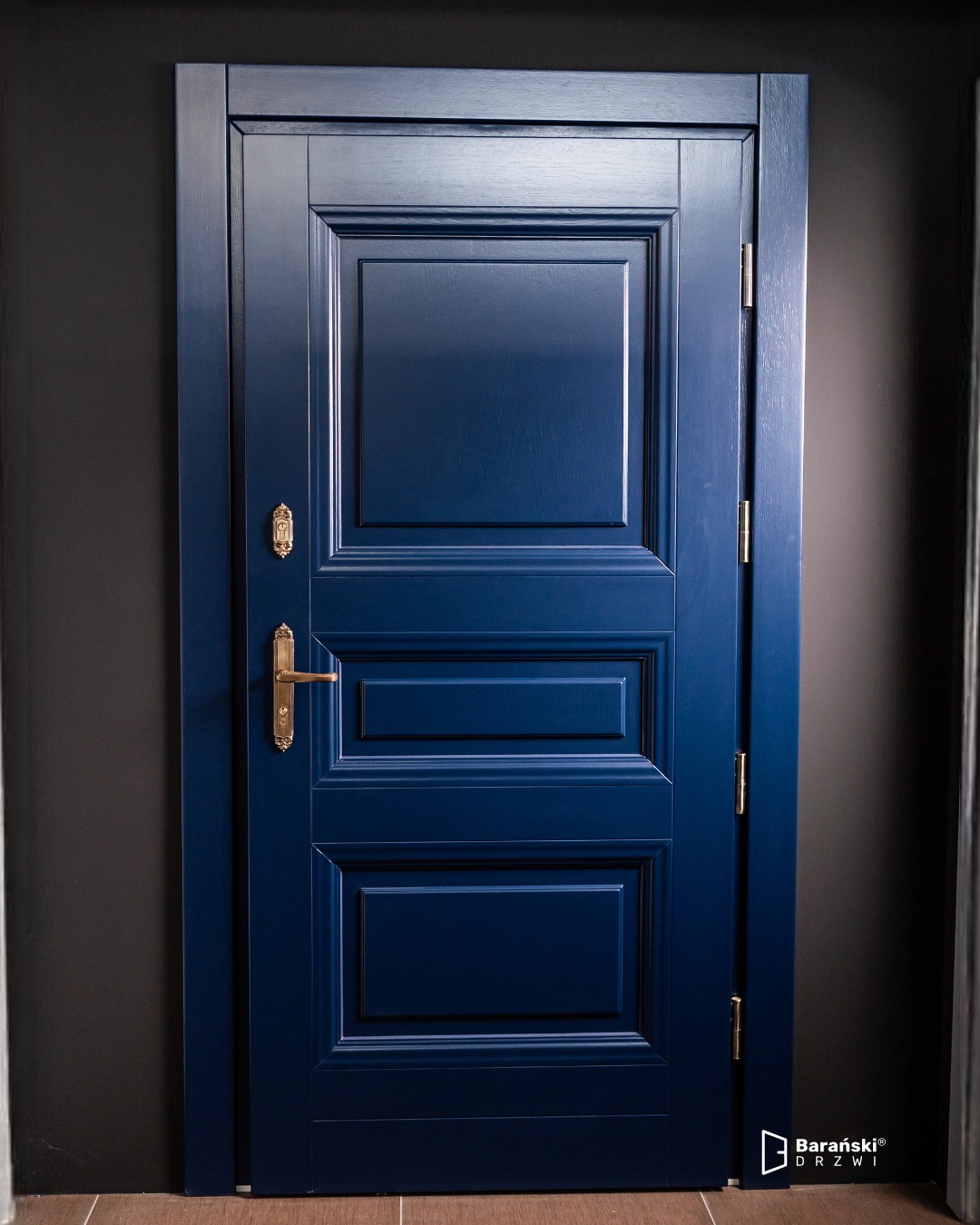
Replacing an exterior door—how do you do it?
Installing an exterior door isn’t difficult, but it requires preparation and the use of appropriate solutions. Here’s a step-by-step guide to installing an exterior door:
- You’ll need to install a new door frame—it’s unlikely that the old one is in perfect condition and will allow you to install the door without any problems. It’s also possible that the current door frame simply won’t meet the specifications for the product you’ve chosen.
- Take precise measurements—any mistakes made at this stage could make it impossible to install the new door later on! If you have no experience with this type of work, hire a professional.
- Carefully check the construction of the interior walls. In single-layer walls, the door should be mounted in the center of the wall’s thickness. In double-layer walls, it should be mounted as close as possible to the outer edge. For triple-layer walls, installation should be carried out within the insulation layer (this is also the most complicated and is best left to professionals).
- Place the door frame in the prepared door opening and secure it in place—use shims and wedges. Check that the vertical and horizontal angles are square between the door frame stiles and the lintel.
- Drill holes in the door frame. Drill holes in the wall (on the hinge side), insert dowels into them, and tighten the screws.
- Install the door panel. This will allow you to check whether the door frame is properly installed and whether the door closes smoothly. If necessary, adjust the door frame’s mounting. Do not remove the door after completing this step.
- Cover the door frame with painter’s tape and squeeze construction foam into the gap between the wall and the door frame. Keep in mind that the foam expands after application, so fill the gap only halfway. After an hour, once the foam has dried, trim off the excess.
- If you’ve installed the door correctly and the door opens smoothly, you can install the door plates, handles, and locks.
Replacing exterior doors isn’t a difficult task, but it certainly requires some knowledge and tools—if you’ve never done this type of work before, consider hiring professionals. Any problems that arise during the process of replacing the old door with a new one can end up being costly to fix later! Many stores offer doors with installation included—take advantage of this offer if you want to be sure everything goes as it should.
Replacing Entry Doors with Barański Drzwi
Are you looking for a new entry door? Our selection includes a full range of products in this category. We offer top-quality products with a thermal transmittance coefficient as low as 0.7 W/(m²K). If you’re looking for high-quality interior and exterior doors, you’re sure to find a model that meets your expectations in our extensive selection.