 EN
 PL (PL)

A door closer is a useful accessory that helps you avoid the unpleasant consequences of constantly slamming doors. If your doors are constantly swinging open and shut, be sure to try adjusting them!
Doors to some rooms remain closed for most of the time, while others stay open, inviting people inside. However, in high-traffic areas, doors are constantly being opened and closed. The door leaf may slam against the door frame or wall, or come to a sudden stop against the jamb, causing scratches or damage to the surfaces it comes into contact with. To avoid this, try a simple door closer mechanism. Thanks to the lock, the doors close automatically and slowly, without slamming and without damaging structural components. However, using a door closer offers many more benefits. Are you curious about what other advantages this mechanism offers? Find out for yourself!
How does a door closer work?
Door closers are designed to close doors in a controlled manner, preventing them from slamming and, consequently, from being damaged. There are two types of door closers available on the market—mechanical and electromechanical. The former is very popular, and you’ve surely seen it in action many times. The principle is simple: the device uses the force applied to open the door to close it. This force is stored in a component of the door closer—a special spring—which then closes the door leaf (releasing the stored energy). An important component of the device is a hydraulic damper, which prevents the door from opening uncontrollably or slamming shut. An electromechanical door closer operates using built-in sensors.

Door Closers – Types of Devices
Although a door closer may seem like a small, inconspicuous accessory, there is actually a wide variety of models within this category. Would you like to decide how your door closer operates? Nothing could be simpler! Choose a spring-loaded model with adjustable closing speed. Set the parameters yourself—how quickly and with how much force you want the door to close. Keep in mind that many types of door closers are equipped with an additional wind-resistant feature that prevents the door from being jerked open by a sudden gust of wind. Door closers are also used for sliding doors, both interior doors and closet doors. In this case, a special track is required, onto which a device that slows the door’s movement is mounted.
Door Closers for Fire Doors
Fire doors, which must be installed in public buildings, should be equipped with a door closer—in this case, it is a mandatory requirement. The closer is tailored to the specific type of door, taking into account its weight, thickness, and width. Arm-type or rail-type mechanisms are used. So-called “concealed” devices are also available. Some door closers are equipped with built-in sets of electromagnets that hold the door closed, along with a control unit. The mechanism works by automatically releasing the lock when sensors detect a fire hazard and then latching the door shut. From that moment on, the door acts as a natural barrier against the spread of fire and smoke.
Door Closers for Glass Doors
Door closers are also used for glass door panels. When selecting a door closer, keep in mind that it must operate extremely gently and at the appropriate speed to ensure safe use of the door and prevent the glass from breaking or becoming damaged. It is beneficial if the mechanism is equipped with an opening lock that protects against, for example, the door being jerked open by a gust of wind, a draft, etc.
Door Closers and Entry Doors
Door closers are used on both interior and exterior doors. Of course, models for entry doors are much more massive, heavy, and sturdy, so the door closer must be selected accordingly. It’s worth choosing a door closer compatible with common anti-burglary and fire-safety systems (with an opening lock) that meets European standards. A well-known brand offering this type of accessory is ASSA ABLOY, which provides door closers equipped with three valves that regulate the closing speed.

How is a door closer installed?
To ensure your door closer works properly and protects the door, you must ensure it is installed correctly. You can mount the device on the door frame or on the hinge side. Holes must be drilled in the door and door frame—choosing the right location is crucial, as you must take the door’s opening angle into account. Glass doors are an exception—for these, you can use door closers that do not require drilling into the glass surface. It is also important to adjust the length of the device’s arm, which must be mounted perpendicular to the door frame. The next step is to set the desired speed at which the door closes and latches (you do this by tightening the hydraulic valves). Remember that all valuable tips are included in the manual that comes with the door closer.
Door Closer – Key Benefits
You can install the door closer on any door, provided you deem it necessary. This device offers many advantages:
- it protects the door, the door frame, and the wall;
- prevents the door from slamming;
- reduces heat loss in rooms;
- prevents fingers from getting pinched (this is especially important in homes with small children and pets).
It is essential for fire-rated and smoke-tight doors, and is useful in public spaces with heavy foot traffic where the speed at which doors close is important.
Barański Doors with a Door Closer
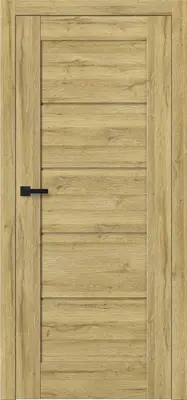
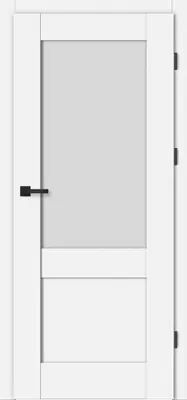
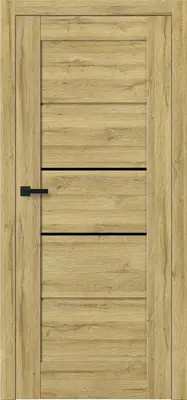
Are you looking for a solution that meets your requirements? Do you need a door model that complements your decor while also being functional and practical? The Barański brand offers everything you need: a sturdy construction, unique design, rich details, and a flawless finish. For a minimalist interior, choose doors from the Barcelona line, characterized by simplicity and originality. To enjoy your choice even more, install a door closer, which will make using the door even more pleasant. If you prefer classic models with additional decorative elements, check out the Lupo line catalog, where you can pair your doors with, for example, a GEZE door closer. Enjoy the beauty and tranquility!