 EN
 Polski (PL)
 Deutsch (DE)

Do you have a problem with a squeaky door? Does your door scrape against the floor? Or maybe you feel a draft coming into your home and suspect that the door isn’t sealing properly? All of this is caused by improperly adjusted hinges. Your door needs adjusting!
Fortunately, virtually every door panel allows for hinge adjustment. Properly adjusting the door significantly improves comfort and thermal performance. Unfortunately, over time, adjusting the door hinges becomes a necessity. Over time, the door leaf may sag and no longer fit snugly against the door frame, which is why adjusting the door’s pressure is extremely important.
We often focus on adjusting exterior doors—and rightly so! Ensuring proper contact between the door leaf and the exterior door frame is crucial for the safety of household members. However, interior door panels also require proper alignment. A poorly sealed interior door can allow odors from the kitchen or noises from another room to become a nuisance. That’s why it’s also important to ensure the door leaf is properly aligned in this case. In this article, you’ll learn when to adjust a door, what proper door adjustment entails, and finally, what a properly adjusted door should look like.
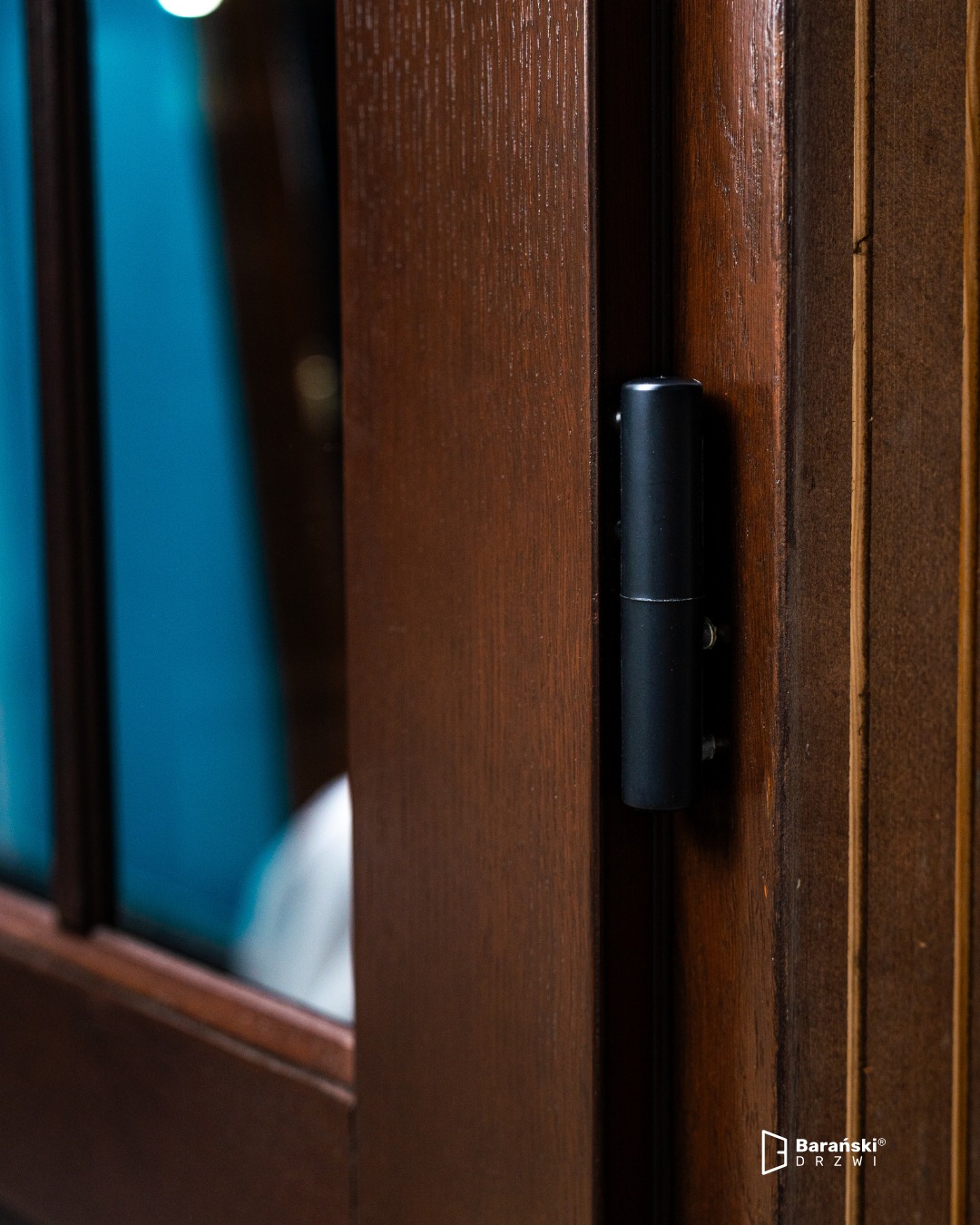
Types of Hinges—What You Need to Know About Them
There are many types of hinges. The simplest, lightweight hinges for small doors are used in kitchen cabinets. At the other end of the spectrum are hinges for exterior and fire-rated doors. These are extremely sturdy. They typically consist of three special components with a larger diameter, so they can support the weight of aluminum or wooden exterior doors. Burglar-resistant hinges are a completely separate category, as they also provide additional security features. For entry door hinges, the adjustment of exterior doors is very important.
When a door is taller—and therefore heavier—it should have an additional top hinge to prevent the door leaf from warping or sagging in the future. It’s not worth overpaying for an additional top hinge if the door panel is of standard height. It won’t serve its purpose and will only create extra work when adjusting the door panel’s position.
When choosing hinges, also consider the color. Don’t want the hinges to stand out? Choose hinges in the same color as your door frames. Or maybe you have gold accents in your home and want the hardware to match the rest of your decor? No problem! There’s a wide selection of colors on the market: gold, white, black, or copper. Choose them so they perfectly complement your interior
>>See also: Squeaky doors—what should you use to lubricate the hinges? Ways to fix squeaky doors
Hinges for interior doors
- Hinges for rebated doors—these are surface-mounted hinges whose pins are installed on the door frame or in the rebate. Hinges of this type are located between the door frame and the door leaf. Access to rebated door panels is easy, and systematically adjusting the distance between the door panel and the door frame is simple and straightforward
- Hinges for non-rebated door leaves—these are hinges for modern doors. They are used when there is no rebate. They look very discreet, as they are installed where the trim is flush with the door leaf. Interior doors equipped with this mechanism look exceptionally good
- Hinges for glass door panels—these are characterized by significant durability due to the heavy weight of the glass pane. Effective adjustment of glass doors is relatively simple, but requires greater care
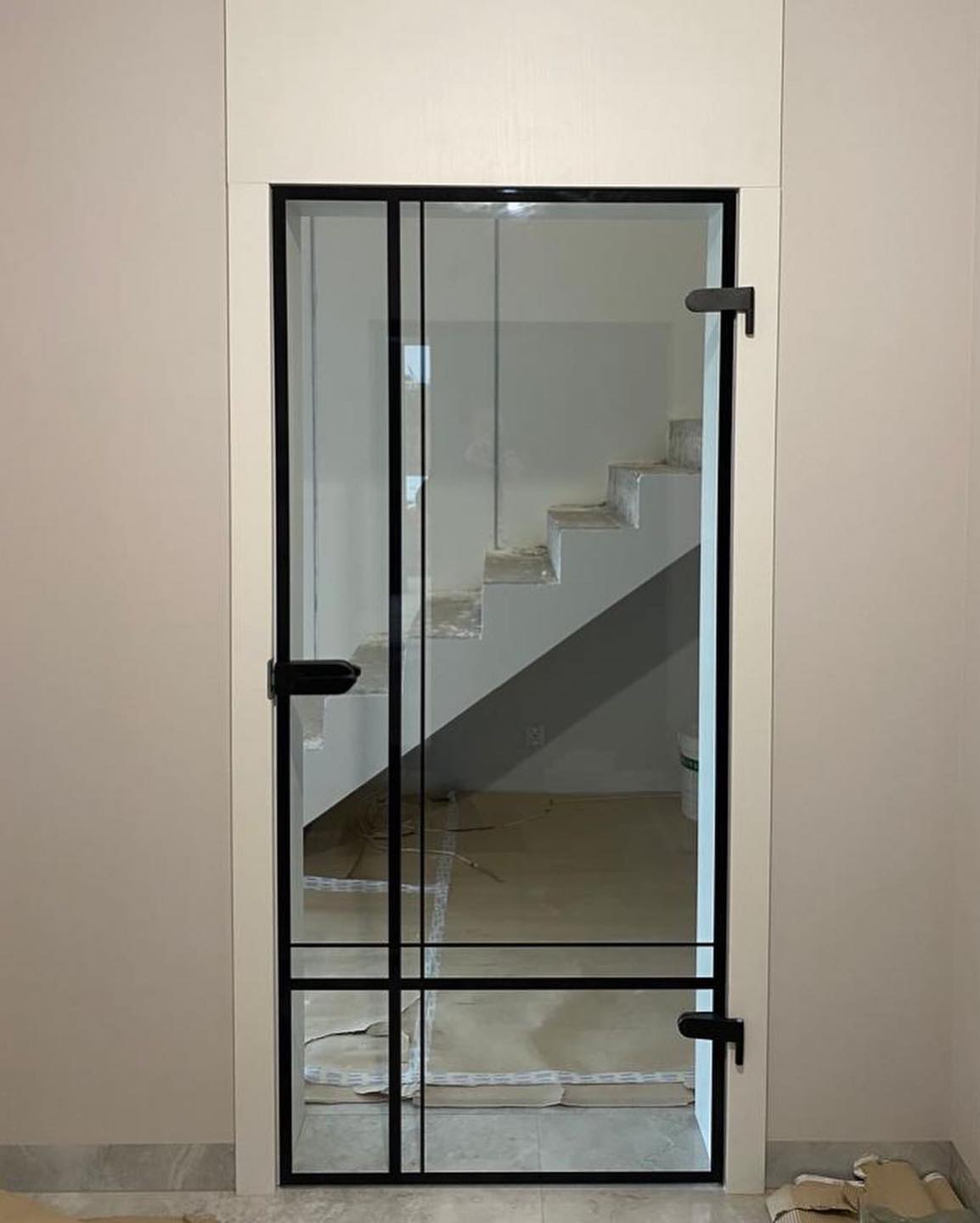
Hinges for entry doors
- Surface-mounted hinges—provide the simplest adjustment for exterior doors. They are used in rebated doors. The hinge components, known as pins, are mounted on the door frame or in the door jamb, making them visible between the door leaf and the frame. Adjusting the door leaf’s overlap is relatively simple in this case
- Concealed hinges—this is a modern solution where the door frame is flush with the door leaf. Proper adjustment of this type of entry door is among the more difficult tasks. It is generally considered that adjusting a concealed hinge is about as complicated as installing the door itself. Adjusting non-rebated exterior doors is definitely not an easy task
- Burglar-resistant hinges—their design allows for stable and secure mounting. An additional pin socket facilitates precise adjustment but also requires greater skill from the installer. Entrust the adjustment of burglar-resistant exterior doors to experienced specialists
- Self-closing hinges—you can adjust the force and speed at which the door closes. They differ significantly from the adjustment of standard doors
Adjusting interior door hinges
Before starting work, you’ll need to gather the right tools. Allen wrenches, a tape measure, and a level will help you adjust the door properly. With these tools, you’ll be able to position the door leaf correctly and adjust the door’s overlap. However, the correct alignment of the door leaf relative to the door frame will vary slightly depending on the type of hinges. What does proper door adjustment look like?
- Surface-mounted hinges—these offer a wide range of adjustment options. Use Allen wrenches to adjust the screws. Typically, the center hinge is responsible for adjusting the height of the door’s bottom edge above the floor. The door leaf should rise or lower slightly, depending on the desired result. Adjusting surface-mounted hinges is relatively simple. You can easily set the position of the door leaf and adjust the closing force. Interior doors should operate smoothly and without making unpleasant noises
.jpg)
- 3D concealed hinges—when adjusting a non-rebated door leaf, the screws are hidden under plastic caps, which must be removed first. There are four holes available. The first screw, located at the center of the door frame, is used to smoothly adjust the door leaf’s overlap. It should not be tightened all the way, but rather left with approximately 0.5 mm of play. The second screw is used for vertical adjustment, meaning it allows the door leaf to be raised or lowered relative to the floor. The door leaf can be raised or lowered by approximately 3–4 mm.
- The adjustment process is slightly different for sliding doors or balcony doors. Individual mechanisms or hinge parts can vary significantly depending on the manufacturer. Sliding doors are particularly unique. With sliding doors, there’s not even a need to install door hinges; instead, you raise the door panel by adjusting the mechanism on which the entire structure is suspended. When adjusting sliding doors and balcony doors, it’s therefore best to follow the instructions provided by the manufacturer
How to Adjust an Entry Door – Instructions for Adjusting Exterior Doors
Maintenance of exterior doors becomes particularly important when they start to squeak. When adjusting exterior doors, you’ll need: Allen wrenches, a tape measure, and a level. It doesn’t matter whether you’re dealing with metal exterior doors, aluminum entry doors, or wooden ones. Every door of this type has adjustable hinges. The type of hinge will determine how the door’s overlap is set. So how do you adjust an exterior door?
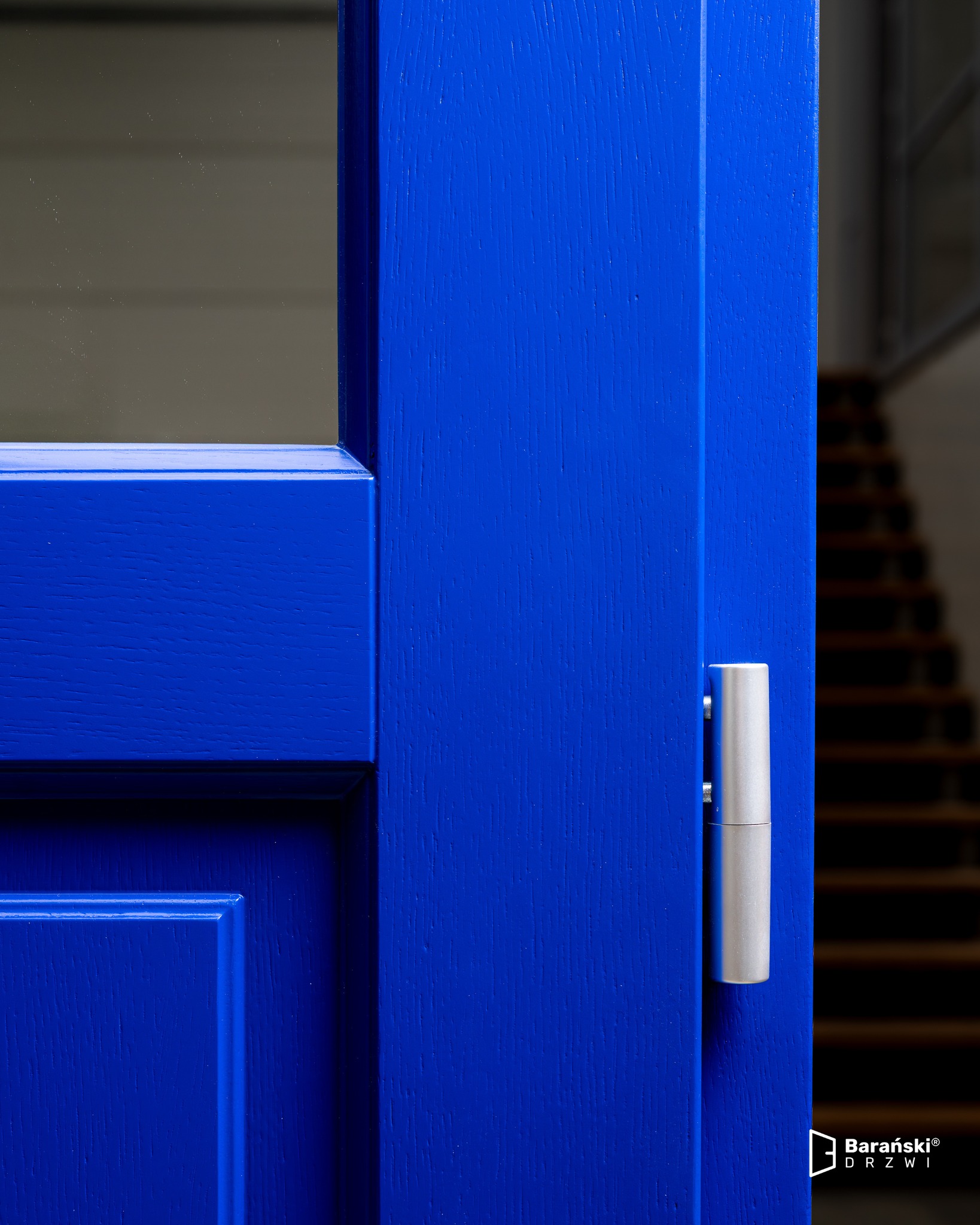
- Rebated hinges—you adjust the position of the door leaf relative to the door frame by turning the indicated screws with an Allen wrench, depending on the required adjustment direction. The top screw on the hinge allows you to adjust the door leaf’s deviation between the left and right vertical sides of the door frame. The middle screw allows for vertical adjustment, enabling you to raise the door leaf relative to the floor. The bottom screw is used to adjust how tightly the door leaf fits against the door frame. By adjusting in these three planes, you can ensure proper pressure against the door leaf and easily adjust your entry door.
- Non-rebated hinges—with non-rebated entry doors, it is also possible to adjust in three planes. However, adjusting the door on your own is more challenging. Before adjusting the height of the door leaf relative to the door frame, you must ensure that the adjustment mechanism is in the correct position. To do this, tighten the top and bottom screws (closer to the center of the hinge) on the door frame hinge until you feel resistance when turning them. Use an Allen wrench to adjust the pressure of the door leaf against the door frame. In this case, loosen the two screws located in the center of the hinges, position the door leaf as desired, and then tighten the screws. The lateral position of an exterior door relative to the door frame is adjusted on the door panel side of the hinge using an Allen wrench, by alternately turning both center screws. Hinges adjusted in this way will ensure the door is properly aligned
>>See also: Doors with a reverse rebate—what does that mean?
Adjusting the front door—should it be done regularly?
You now know what professional door adjustment entails and how to adjust the door leaf’s closing force. The question now is: how often should this be done? Is once a year enough? What do the hinge adjustment instructions say? Due to frequent opening and closing of exterior doors and weather conditions, they are prone to the door leaf sagging, which over time will cause it to rub against the door frame. We therefore recommend: adjust your front door at least twice a year. Don’t forget about balcony doors, either. Adjusting balcony doors is important because they’re exposed to often harsh weather conditions. Pay attention to any suspicious noises! Squeaking is a sign that the hinges definitely need adjusting.
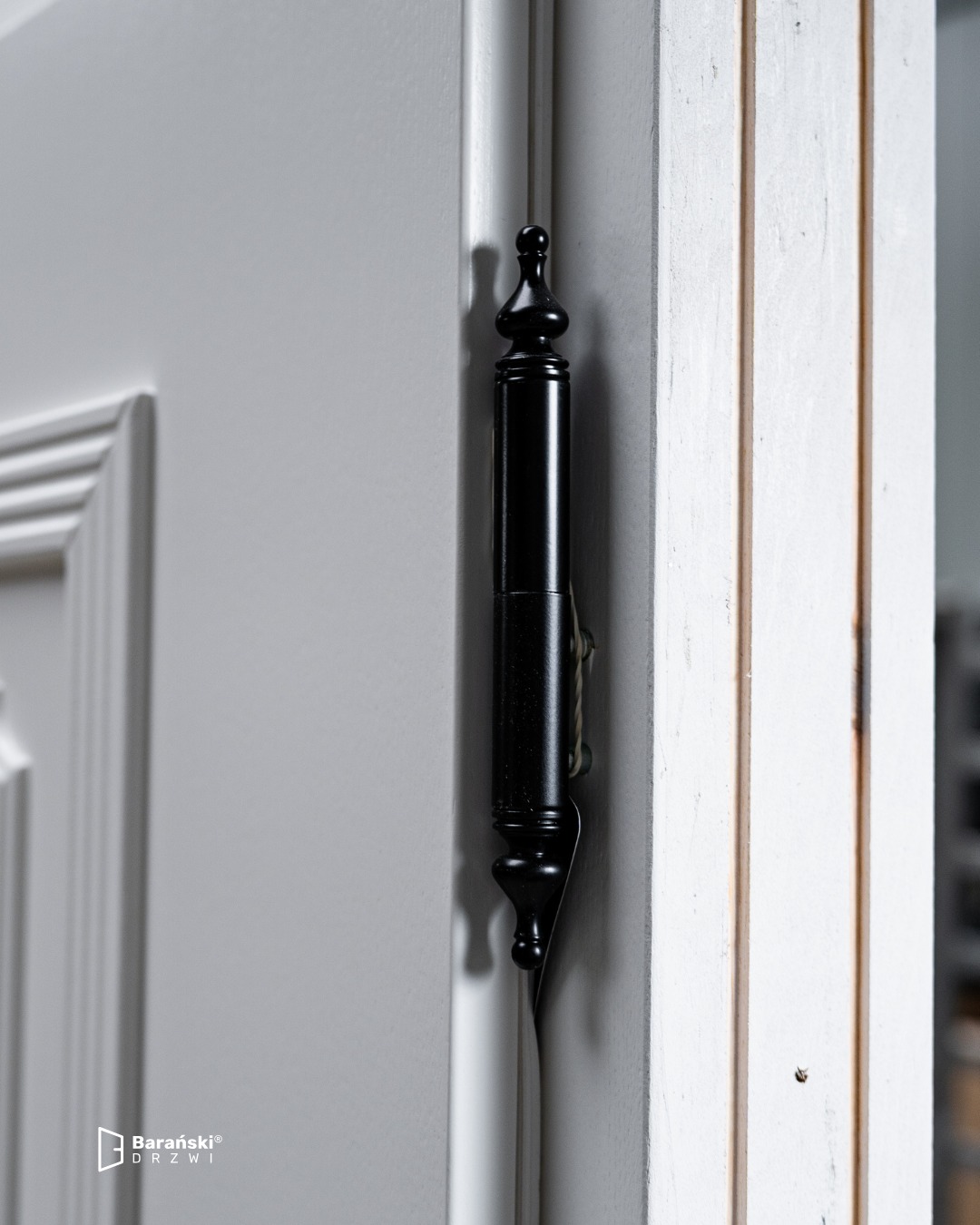
How to adjust exterior doors from Barański Drzwi?
The company’s product line includes wooden door panels and modern exterior doors. At the company’s recommended partner showrooms throughout Poland, you’ll find qualified installers who will install your doors so they’ll last for many years. Of course, the professionals will handle the initial adjustment of the doors. They’ll also take care of any readjustments if they become necessary after prolonged use. When it comes to door adjustment, don’t settle for less—let the real experts help you!