 EN
 PL (PL)

A Gothic-style house is something that many people associate primarily with stories about vampires or werewolves. Fortunately, these are just stereotypes! A Gothic-style house doesn’t have to be a dark, gloomy ruin full of cobwebs and creaking floorboards.
There’s no denying that creating a Gothic-style home—or even individual rooms in this style—takes a bit of effort if the result is to be satisfying rather than caricatured. First and foremost, remember that the Gothic style is actually a group of fairly similar styles. This means there aren’t any specific guidelines here, as there are with the classical or minimalist styles. Today’s architecture focuses on drawing inspiration from and borrowing elements of this style. Don’t worry that your home’s interior will start to resemble a movie set for a Frankenstein film or The Addams Family! Below, we present some inspirations and ideas you can use when choosing decorative elements for your home. Remember that the choice of colors and decorative elements is what matters most.

Gothic is, above all, about colors
A defining feature of a Gothic-style home design is the right color combinations—there’s no room here for light pastel shades. If you’re going for a truly medieval interior design, you should consider colors such as:
- black;
- gray;
- red and gold;
- purple;
- deep green.
Keep in mind, however, that it’s easy to overdo it with these colors! Too much of them will make the interior feel cold and appear smaller, and relaxing in such a room won’t be comfortable at all. If you’re looking for a subtle effect, opt instead for accents against a white wall. An interesting idea is to use paint or plaster that mimics natural stone or a brick surface—elements so characteristic of Gothic interiors. If your home was built of brick, consider exposing a section of the wall to highlight your chosen architectural style. The Gothic style loves brick—literally!

What kind of furniture should you choose for a Gothic-style home?
Furniture—and wardrobes in particular—play a crucial role in Gothic-style interior design. It’s likely thanks to this style that wardrobes replaced the old chests that were used to store almost everything, including clothes. Today, hardly anyone can even imagine such an inconvenient solution!
Furniture for a Gothic-style room should primarily be made of wood. Equally important is its appearance—the Gothic style is an unusual blend of minimalism with subtle ornamentation that enhances the entire structure of the piece without being overly conspicuous. This typically takes the form of carvings and motifs etched into the wood. If, for some reason, you don’t want wooden furniture or its style doesn’t fit your vision for the interior, opt for a more classic solution. Remember, however, that they should be as minimalist as possible and feature an appropriate color scheme that highlights the style’s characteristics. When it comes to armchairs or sofas, Victorian-style pieces can be an interesting choice.
Textiles and Accessories as Elements of Gothic-Style Interior Design
At the heart of any interior design are the accessories that highlight the character of the space. They’re also an affordable way to enhance your decor—textiles like pillowcases and curtains don’t cost much (unlike typical Gothic furniture, which you won’t find at just any furniture store). Want to quickly create the atmosphere of a medieval castle in your home? Go for velvet and satin—heavy green curtains will pair perfectly with red furniture. You can also enhance your living room set or bedroom with satin pillowcases—be sure to choose deep, dark colors!
Don’t forget about lighting! With the Gothic style, this won’t be difficult—choose cast-iron chandeliers and ornate lamps. You’ll find a wide selection of such products in lighting stores, and they won’t be expensive at all compared to more classic options. If you want to go all out, a massive metal candlestick or candelabra next to the fireplace—or simply placed on a side table against the wall—is another interesting option. Remember, though, not to overdo it—too many of these elements will make the interior design feel very overwhelming.
You can also enhance the interior with tablecloths or metal knickknacks, preferably brass ones.
A Gothic-style home? Yes, but mostly on the inside
Although the Gothic style originated in medieval France, it’s most commonly found in America, where entire homes are designed in this style, including the facade, windows, and roof. In Europe, and especially in Poland, it’s rather difficult to find examples of such private homes, and the Gothic style itself is typically chosen to decorate individual rooms, rather than entire interiors. In our country, building a Gothic-style house may be downright impossible due to local zoning regulations!

Do you dream of a slightly extravagant yet cozy interior? A Gothic-style home is just for you! Today’s architecture has drawn heavily from this medieval architectural style, and interior designs inspired by it can be truly one-of-a-kind. Importantly, you can achieve this at a modest cost—the power of the Gothic style lies in its accessories and decor, and these offer you virtually limitless possibilities.
Gothic-style home—products from Barański Doors
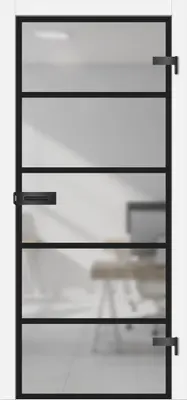
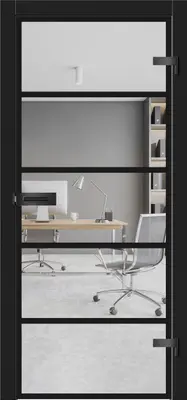
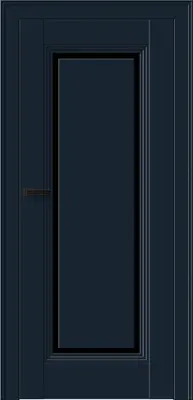
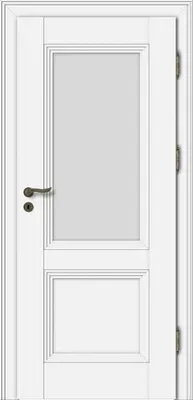
Fortunately, choosing the right interior doors for this style is easier than selecting accessories and furniture. First and foremost, keep the color scheme in mind—dark brown, gray, or even black. For interior doors, the Optimo series is an excellent choice. The pine door frame ensures the structure’s stability, and the thick glass panes are smooth on both sides. An interesting option is the RETRO model, which you can also order with tinted glass—a much better fit for the room than its frosted counterparts. If you’re looking for a touch of modernity, check out the GLASS model with a matte black door frame—it’s almost entirely glass. Another modern yet minimalist option is the PRESTIG door.